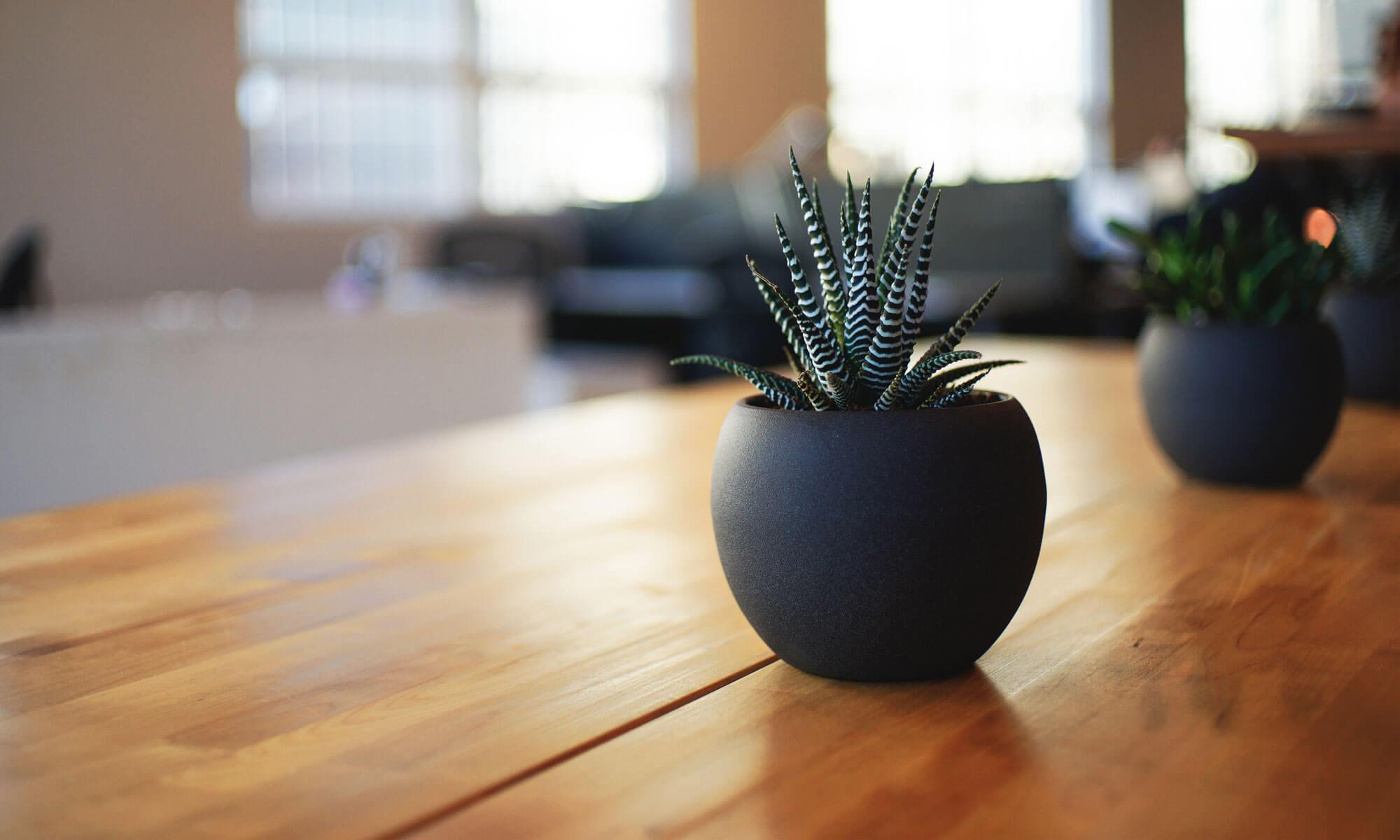

Making The Most Of A Birthday Photography Session

Making The Most Of A Birthday Photography Session

Photographs are a great way to save memories from a birthday celebration. A photography session gives a chance to highlight different moments of the day and keep them for years to come. A little planning and some thoughtful touches help the birthday photography session go smoothly and create images that feel special and natural.

Pick a suitable location:

A birthday photography session works well in places that match the age and personality of the person being photographed. For children, a garden or home setting adds fun and familiarity. For adults, a decorated indoor area or a simple outdoor backdrop keeps the focus on the subject. Try to plan for good natural lighting or have extra lights ready indoors.

Select clothes in advance:

Simple clothes in soft colors usually work well in birthday photos. For children, clothes with minimal logos or distractions help draw attention to the face and cake. A single outfit change gives variety but try to keep the process quick to avoid long pauses. Coordinating clothes for family shots can add harmony to group photos.

Keep props and décor minimal:

Balloons, party hats, or a themed banner add small touches that help the photos feel more connected to the birthday. These should not take over the frame. A cake or small toy can also become part of the shots naturally, especially for children.

Plan for natural moments:

A few posed shots at the start work well. After that, let the person move and interact with the setting. Candid moments like laughter, clapping, or enjoying cake create more lasting impressions. Giving children some time to play or explore during the session often brings out genuine expressions.

Take photos at different times during the party:

The photography session does not have to be limited to one spot. Start before guests arrive, take some group pictures during the party, and capture the cake-cutting as well. These small breaks throughout the day help reduce pressure and give more variety in the album.

Keep it short and light:

Sessions that last too long often lead to tired faces, especially with young children. Around 30 to 45 minutes of focused shooting is usually enough. The idea is not to fill the frame with decoration but to keep the person as the main highlight of the picture.
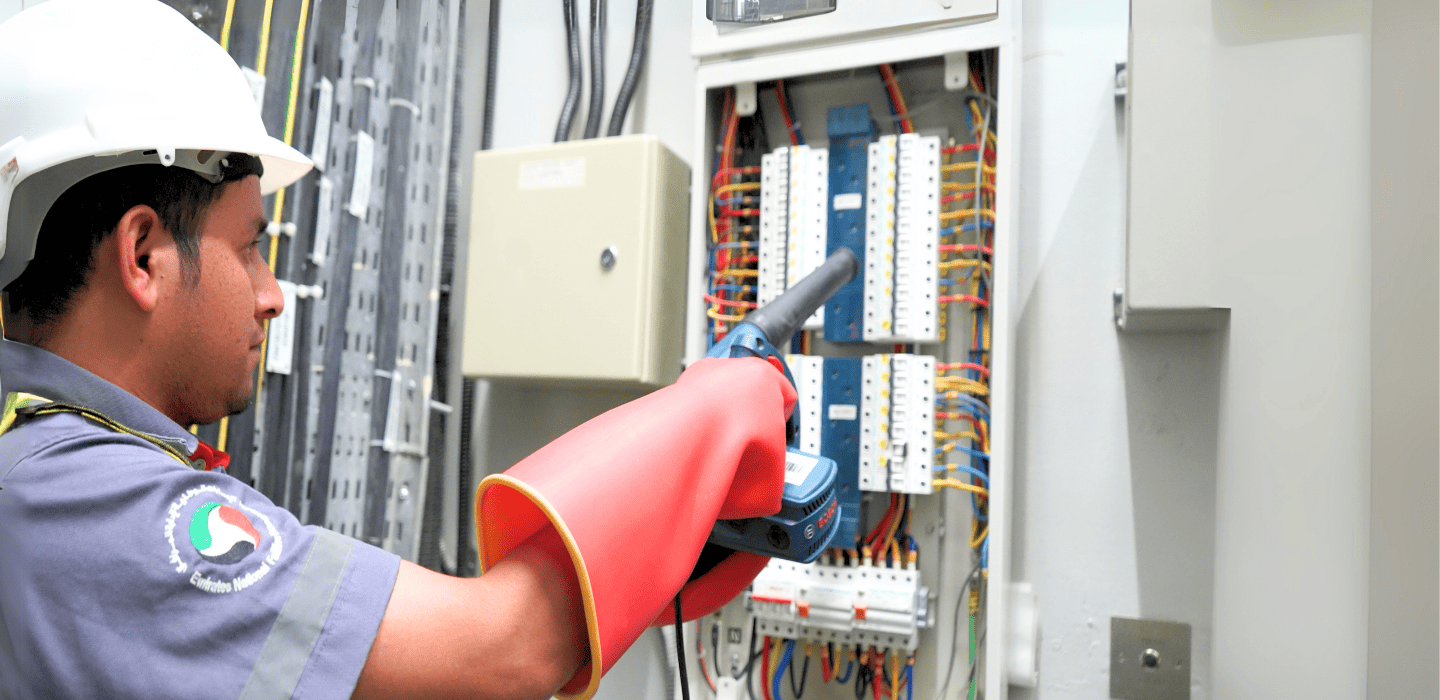

What To Look For In A Housekeeping Service Provider

What To Look For In A Housekeeping Service Provider

Keeping a home or property tidy takes time and solid effort. A housekeeping service provider takes care of this through trained staff and set routines. Choosing the right team for the job means checking a few key details before getting started.

The following tips will help you hire the best housekeeping services in Dubai.

Clear list of services:

Before booking, ask for a full list of what is included in the cleaning plan. Some providers cover only basic cleaning, while others include deep cleaning, laundry, and ironing. This helps avoid confusion and sets clear expectations from the start.

Trained and polite staff:

Cleaners often work inside personal spaces. A friendly tone, polite behavior, and tidy uniforms all leave a better impression. Ask how the company trains its staff and whether background checks are done before hiring.

Flexible scheduling:

Check if the provider allows flexible timing. Some households may want cleaning in the morning, while others prefer evening visits. Also ask if weekend or urgent bookings are available in case of special events or last-minute requirements.

Quality of cleaning tools and products:

Some companies bring their own tools and products, while others ask the client to provide them. It is useful to know what type of cleaners and equipment are used, especially if someone in the home has allergies or prefers mild, non-chemical products.

Clear communication system:

Being able to reach the service provider easily is helpful. Ask if they use calls, texts, or apps to schedule visits, confirm bookings, or follow up on feedback. This helps manage changes or questions quickly.

Fair pricing and payment methods:

Pricing should match the number of hours and tasks. Ask if rates are fixed or charged per visit. It is also good to check if payment is made in cash, online, or by card, and whether receipts are shared after each service.

Consistency in service:

If possible, check if the same cleaner will visit each time. A familiar face often works faster and knows your space better. If staff rotation is common, the provider should keep clear notes about client preferences to avoid repeating requests. Past reviews give a basic idea of the company’s habits and service quality. Look for short, direct feedback about punctuality, cleaning detail, and customer support.

A Comparison Between Platform Lifts And Traditional Elevators

A Comparison Between Platform Lifts And Traditional Elevators

What is the difference between a platform lift and a traditional elevator? Both are made to move people or goods between floors, but they work in different ways and suit different settings. By looking at the following comparison, you will be able to make an informed decision.

Design and structure:

A platform lift has an open or partially enclosed design. It usually moves at a slower pace and is meant for short distances, such as between one or two floors. A traditional elevator is fully enclosed and moves vertically inside a shaft. It is built to travel across multiple floors and is often faster.

Installation requirements:

Platform lifts are often simpler to install. They may not want a deep pit or overhead clearance. Some models are designed to be fixed with minimal changes to the building. Traditional elevators generally want more space, including a lift shaft, machine room, and pit. This makes the setup more complex.

Weight and size capacity:

Traditional elevators are made to carry more weight. They are often larger and can hold more people or bigger items. Platform lifts usually carry one or two people at a time or a person with a wheelchair. The size is smaller, and the weight limit is lower.

Speed of movement:

Elevators move faster than platform lifts. They are designed to cover long distances between floors quickly. Platform lifts are slower and better suited for places where speed is not the main concern, such as private homes or small buildings.

Safety features:

Both types include safety features, but they differ in design. Traditional elevators often have advanced systems such as automatic brakes, emergency lighting, and full enclosures. Platform lifts also include safety elements like guardrails, emergency stop buttons, and sensors, though the setup is more basic.

Energy and power use:

Platform lifts may use less power due to their smaller size and lower speed. Some types run on regular electrical outlets. Traditional elevators often use stronger motors and may want a three-phase power supply. This usually results in higher energy use.

Best use locations:

Platform lifts are often found in homes, schools, or small offices, mainly where accessibility is the focus. Traditional elevators are placed in buildings with more floors and higher traffic, such as flats, hospitals, or commercial spaces.

Diet Tips That Actually Work For Busy People

Diet Tips That Actually Work For Busy People

Busy routines make it difficult to stick to a consistent eating plan. Between work, family, and daily tasks, finding time to plan and prepare food may feel like a challenge. Still, a few small changes in daily habits can lead to better healthy diet plan Dubai.

Keep simple ingredients at home:

A stocked kitchen with basic items helps avoid takeaways or skipping meals. Keep items like oats, eggs, tinned beans, frozen vegetables, and rice on hand. These can be turned into meals quickly without much effort. Simple snacks like fruit, yoghurt, or nuts also reduce the necessity for last-minute store runs.

Make quick meals in batches:

Preparing a few extra portions while cooking saves time during the week. For example, a batch of soup, grilled chicken, or roasted vegetables can be stored in the fridge and used in different ways. Leftovers from dinner can also be packed for lunch the next day.

Don’t skip breakfast:

A quick meal in the morning helps with energy and mood. Even something small like a banana, boiled egg, or slice of toast is better than starting the day on an empty stomach. Preparing breakfast items, the night before also saves time during busy mornings.

Use a small container for snacks:

When working or travelling, hunger between meals may lead to quick and less healthy choices. Keeping a small container of mixed nuts, crackers, or dried fruit in a bag or drawer makes it easier to eat something simple and filling when necessary.

Drink more water during the day:

Staying hydrated helps reduce tiredness and supports digestion. Keep a water bottle at your desk or in your bag. Some people find it useful to set short reminders on their phone to take sips during the day. Herbal teas are another light drink that fits easily into any routine.

Choose one meal to improve first:

Trying to change every meal at once is difficult during a busy week. Start with just one—like lunch—and work on making it more balanced. For example, swap fried food for grilled, or include a vegetable side. Once that feels easier, move on to other meals.

Busy days do not have to stop better eating habits. With small steps like batch cooking, simple snacks, and steady meals, it’s possible to stay on track. Adjustments made with ease are more likely to last over time.