
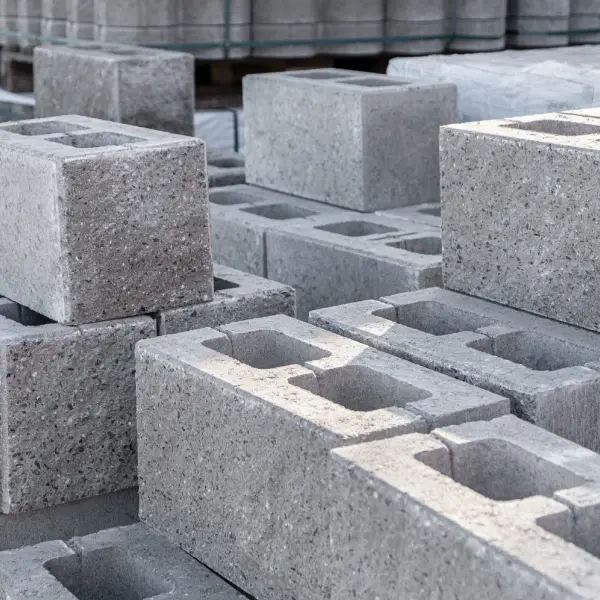
Imagine a city rising from the ground, its progress hinging on a carefully timed sequence of events. On this stage, a delay in just one component be it labor, equipment, or materials sends ripples of inactivity and financial loss across the entire project. Among these key components, hollow blocks form the very skeleton of structures, making their reliable delivery a top priority.
This demand has forged a specialized industry focused on flawless timing, a challenge expertly met by a premier hollow block supplier in Dubai.
Proactive raw material sourcing:
The foundation of timely supply is securing the raw materials: cement, aggregates, and water. Reliable suppliers do not wait for orders to come in before stocking up. They maintain strategic partnerships with cement plants and aggregate quarries, ensuring a consistent flow of materials to their own production facilities. This proactive approach buffers against market shortages or logistical hiccups in the raw material supply chain, keeping production lines active.
Streamlined in-house production:
Efficiency within the manufacturing plant is paramount. Modern batching systems automate the mixing of raw materials, while high-pressure hydraulic machines form and compact the blocks. Curing chambers, often using steam, accelerate the hardening process, allowing blocks to gain strength quickly and be ready for delivery in a shorter time frame compared to traditional air curing. This controlled, high-volume production is the engine of reliable supply.
Maintaining substantial finished goods inventory:
Knowing common project demands, suppliers produce and stock a wide range of standard-sized hollow blocks. This ready inventory acts as a vital reservoir. For standard orders, delivery can be arranged immediately from stock, bypassing the production lead time altogether. This inventory management is a direct response to the unpredictable and often urgent nature of construction timelines.
A modern and managed fleet:
A supplier’s delivery capability is only as good as its transportation network. Companies invest in a dedicated fleet of trucks, often equipped with hydraulic unloading systems for safe and efficient placement on site. Fleet management software tracks vehicle locations, schedules deliveries to avoid congestion, and allows for real-time adjustments, ensuring each truck is used effectively.
Advanced order and dispatch coordination:
The process begins the moment an order is placed. Sophisticated software systems help manage order volumes, production schedules, and driver assignments. Dispatchers act as air traffic controllers for deliveries, creating optimal routes and communicating clearly with both drivers and site managers. This coordination prevents overbooking of trucks and ensures the right quantity arrives at the right location at the right time.